
How to Find an EPA Job: Advice for Students
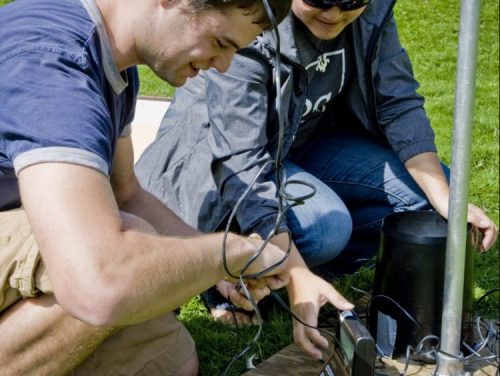
The US Environmental Protection Agency (EPA) is a dream employer for many climate-minded undergrads. And yet, understanding the processes involved in finding and applying for these federal positions can be a daunting task. It can be difficult to figure out where to even find open positions, much less actually apply for them.
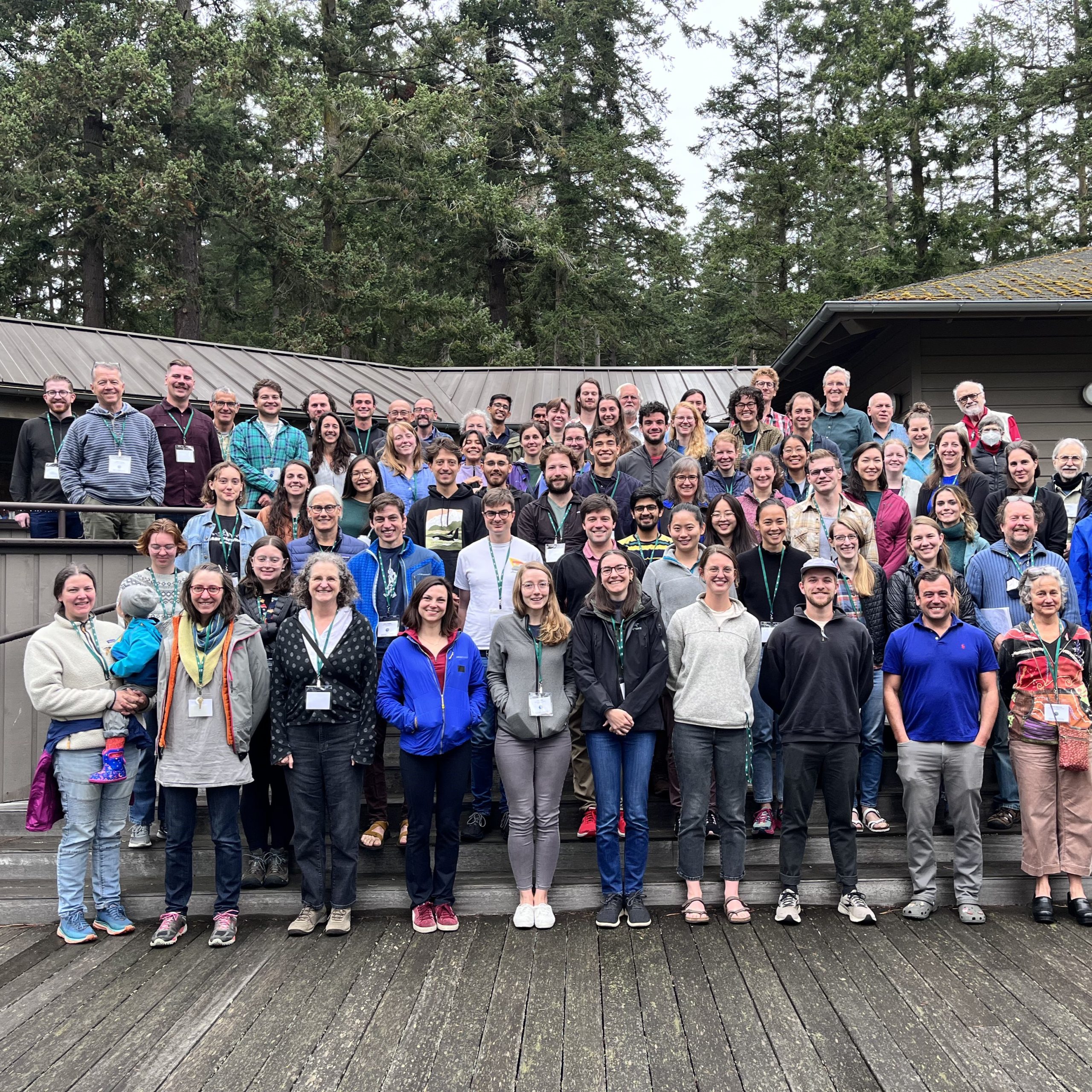
Read moreClimate Change at the Poles: An Overview of the 2023 PCC Summer Institute
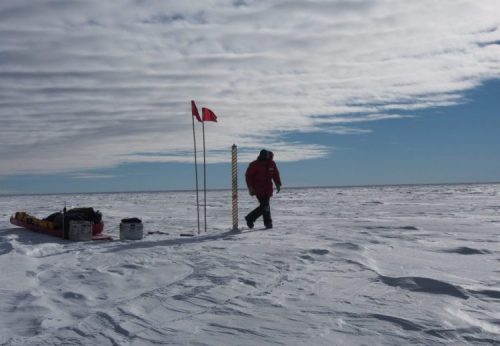
The Arctic has warmed four times faster than the lower latitudes over the historic record whereas warming and sea ice loss in polar regions of the Southern Hemisphere has been limited until very recent years. These hemispherically asymmetric trends in observed polar climate challenge our basic understanding of atmospheric, oceanic and cryospheric processes contributing to climate change and their representation in the climate models used to predict future climate change.
Read moreA Wonderful 2024 Winter Welcome
This year’s annual Winter Welcome was held on Wednesday, March 6th beginning at 5pm in the Fisheries Science Building. We were excited to have all PCC Directors, past and present, in attendance. Don’t know who they are? Look to Jim Murray, Chris Bretherton, LuAnne Thompson, Cecilia Bitz and Becky Alexander.
Read moreUpdates

Mike Wallace (UW ATM S) a 2024 Japan Prize Laureate
Congratulations to Professor Mike Wallace, UW Atmospheric Sciences. The Japan Prize acknowledges Mike’s contributions to understanding extreme weather events. Interest in extreme weather events and climate, and his leadership of the NOAA Joint Institute for the Study of the Atmosphere and Ocean (now known as the Cooperative Institute for Climate, Ocean and Ecosystems Studies) put Mike in a prime position to contribute to the original blueprint for the Program on Climate Change 24 years ago. Best wishes, Mike!
Mike Wallace awarded the Japan Prize